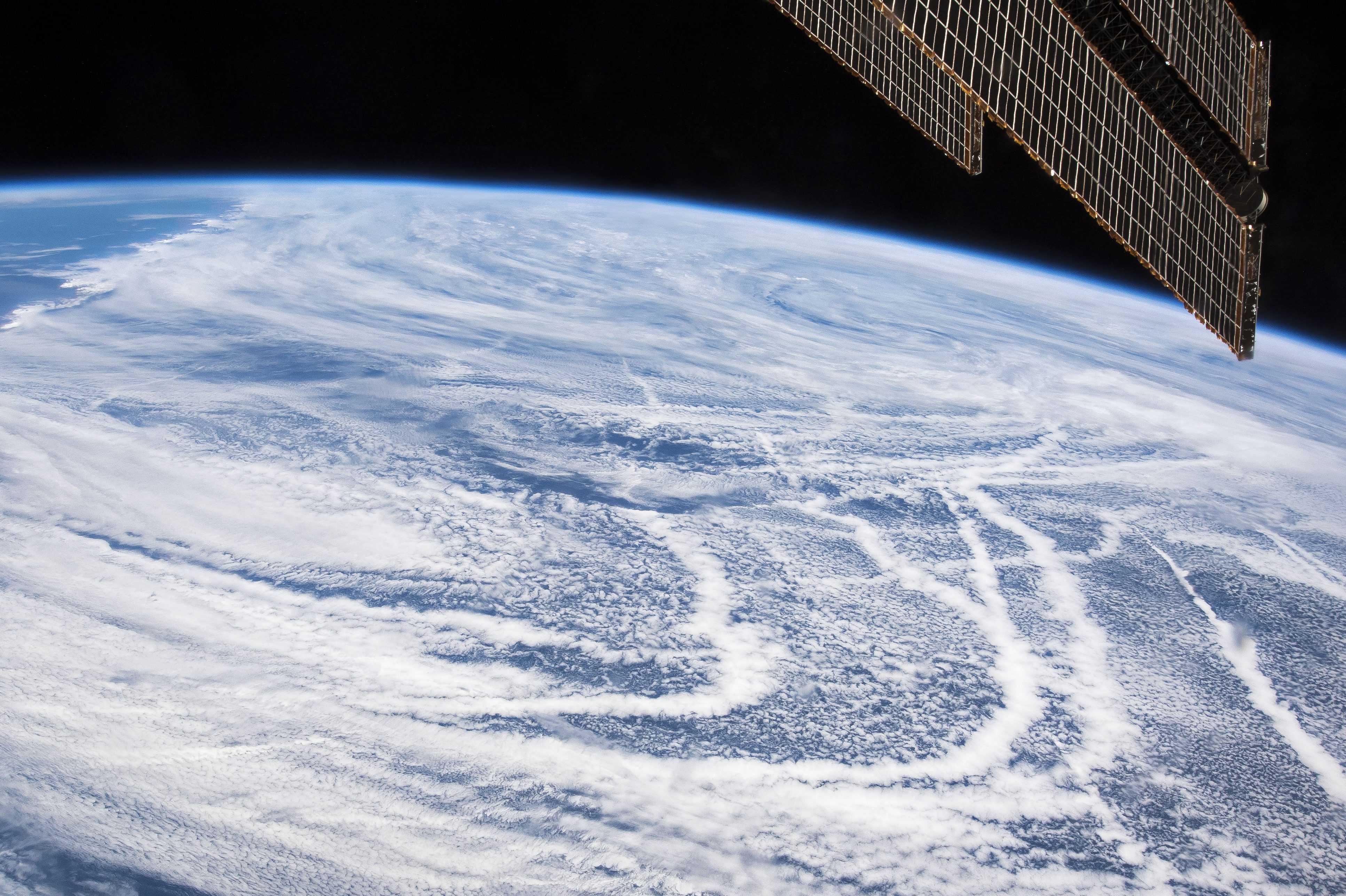
Clouds confound our understanding of climate change. Questions about how clouds interact with small airborne particles (aerosols) are the largest source of uncertainty in how much human activities have already affected Earth’s energy balance and questions about how clouds will respond to a warming world are the largest source of uncertainty in Earth’s future climate sensitivity. Clouds influence and are influenced by processes occurring on scales ranging from nanometers and seconds to hundreds of kilometers and years, making causal interpretation of cloud changes extremely challenging. I am particularly interested in identifying cases of (presumably) clear causality, or “natural experiments,” and learning both what they can teach us and the limits of applying those lessons more broadly. I am also interested in addressing urgent policy-relevant questions related to proposals for deliberate marine cloud brightening to offset some effects of global warming. To address these issues, my group utilizes a diverse set of tools ranging from in situ aircraft observations to geostatistical analyses of satellite retrievals to numerical modeling at the cloud, regional, and global climate scales.
See the links below for more information about what we’ve been working on:

